Should you choose a 360 tour or ordinary photos? The question comes up whenever a business wants to show its space more clearly. A business owner often hears that every new format is essential. You may be told to take more photos, make more video and add a virtual tour. The better question is simpler: what does your customer need to see before they choose to visit?
Ordinary photographs and a 360° tour are not rivals. One can highlight a detail; the other can show how a space fits together. Understanding the difference helps you spend your effort on the images that answer real questions.
Start with what a still photo does best
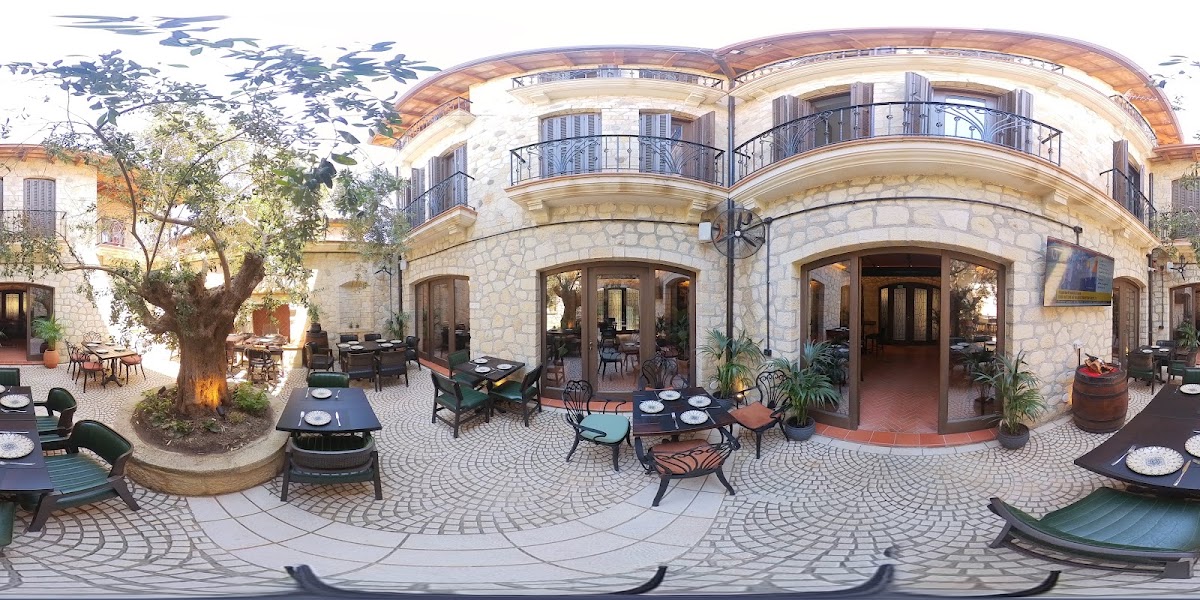
A standard photograph can draw the eye to one thing: a dish, a shop display, a room, a member of the team or the entrance sign. It is easy to place beside a menu, booking option or product description. You can choose the frame that best explains the point.
Still photos are also useful when you change one part of the offer. A café can update its food pictures without making a new tour of the whole building. A shop can photograph a new range while its layout stays the same.
Be honest with the frame. A close-up of a beautiful table does not show the full dining room. If visitors keep asking about the room layout, add a wider view or another format rather than relying on the same carefully cropped picture.
Imagine a visitor choosing between two hotel rooms. A good still image shows the bed and window clearly, while a tour helps them see how the doorway, storage and bathroom relate to that room. Neither view has to win. Start with the unanswered question and choose the format that can answer it honestly.
Use a tour when layout matters
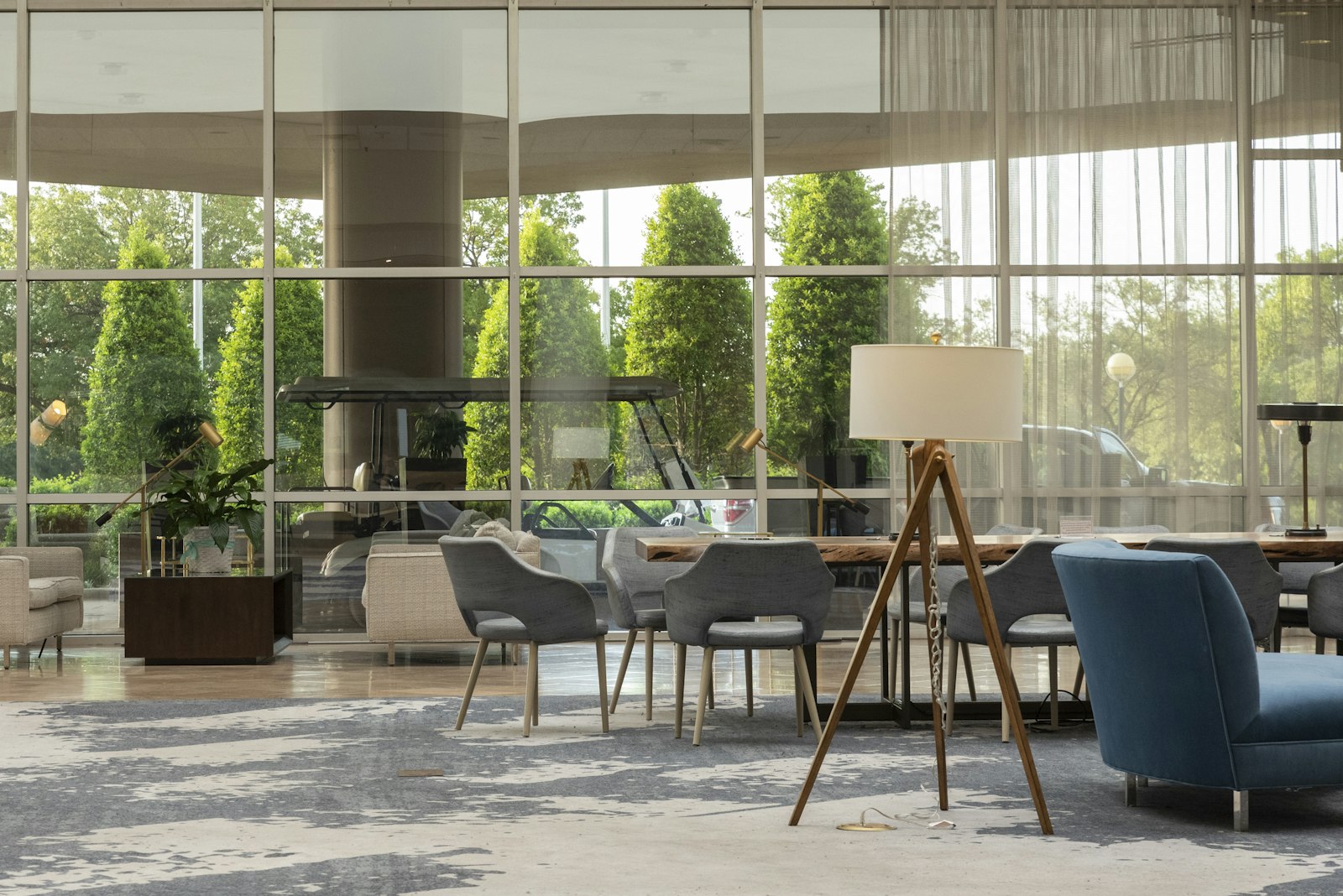
A 360° tour lets someone turn and look around a space. This can help with questions that one frame cannot answer: how the tables relate to the bar, where the reception is, what a shop feels like from the doorway or how a hotel room is arranged.
Think about the customer’s decision. Would understanding the room make them more comfortable enquiring or visiting? If so, a tour may be useful. If the business is mainly an online product catalogue with no visitor-facing space, good still images may be more important.
Give each format a place
Put an exterior photo beside directions so people know what to look for. Put a clear food or product photo beside the item it describes. Place the tour where a visitor is deciding whether the room, venue or shop is right for them.
For a hotel, that might mean room photos on each room page and a tour near the general property overview. For a restaurant, it could mean menu photographs on the menu page and the tour beside booking information. The same tour can also be shared from a printed QR code at a suitable point. For a guest booking a summer stay in Sarandë or Vlorë from abroad, the tour may be the only chance to look around before they arrive.
Google presents business photos and virtual tours as ways to help people understand a place before visiting (Google Street View for businesses). That is a useful test for every placement: is the image making a decision easier, or merely taking up space?
Write down where a customer will see each format before you commission it. A carefully framed room photo belongs beside the room description; a tour of the shared areas belongs near the property overview. If the same image is pasted everywhere without a purpose, it stops helping anyone make a choice.
Plan what to capture together
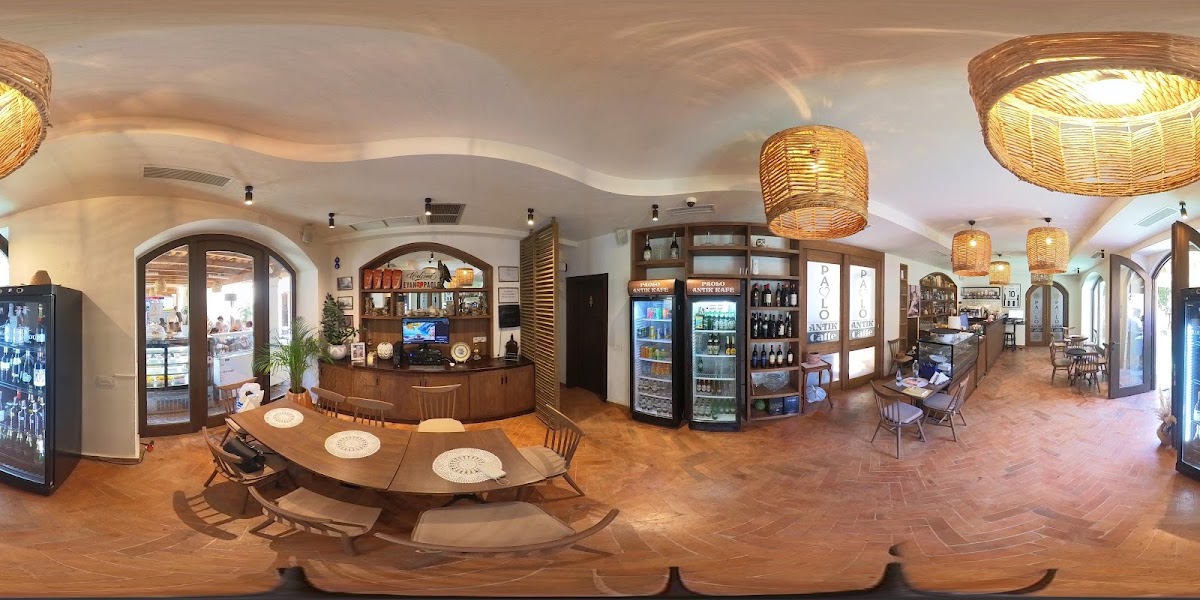
Walk around the premises with a short list of customer questions. Which entrance is correct? What is the main space like? Which details deserve a close-up? Then decide where a tour provides context and where a still photograph provides focus.
You do not need every room in one continuous tour. Keep private areas private and avoid spaces that would create the wrong expectation. If a room type is not available for all bookings, label it clearly on the relevant page.
Choose a result you can keep accurate
The best image set is one you can update when the business changes. A new entrance, major refurbishment or changed seating plan may call for fresh imagery. A new menu item may only need a new still photograph. Plan for this before publishing.
Check your website and profile on a phone. The photos should be quick to understand; the tour should be easy to open and useful to explore. Neither format should promise an experience your business cannot provide.
Ask a colleague who has not planned the shoot to look at the finished page on a phone. What can they work out without an explanation? If they cannot tell where to enter, where to sit or what is included, add a useful view rather than a more dramatic one.
Vista 360 can capture a 360° tour and publish it on Google Maps or Street View, then provide an embed for your website. For a restaurant with a tucked-away terrace, ordinary food photos explain the menu while a tour shows the route from the dining room to the outdoor seating. The services page explains the practical delivery options. Examples of finished work are in our portfolio.
If you are unsure which format will answer your customers’ questions, contact Vista 360 to plan a sensible photo and tour mix.
Leave a Reply