

Learning how to ask for Google reviews starts with one rule: let customers describe their own experience. A customer thanks you at the end of a good visit. It seems natural to ask for a review, but many owners worry that the request will feel awkward. The answer is to keep it short, fair and easy to decline.
Reviews should describe genuine experiences, not a message the business wrote for the customer. You can make the route to the review page simple without choosing the rating or telling people what to say. That is better for the customer and for the business.
Choose a natural moment to ask
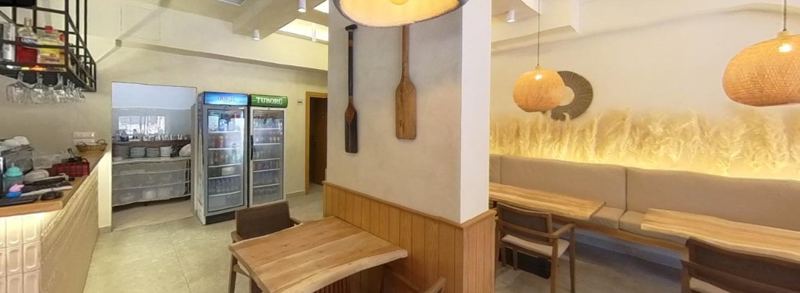
Ask after the service is complete, not before the customer has experienced it. A hotel might include a request in a follow-up message after checkout. A café might place a small card by the till. A shop can share a link on a receipt or in a polite thank-you message.
Think about whether the customer has time. Someone trying to leave with children or carry heavy bags may not welcome a long conversation. A brief invitation is enough. If they say no, let it go.
Use the same approach for all customers, not just the ones who smiled or praised you. A balanced page is more useful than a carefully selected one. The request is for an honest account of their own visit.
A busy check-out desk is rarely the right place for a long speech. If your hotel sends a short follow-up after a stay, one neutral line can sit beside the ordinary thank-you. For a café, a polite question after the visit may work better than putting staff under pressure to collect ratings during service.
Use words that leave room for honesty

Try: “If you have a moment, we’d appreciate an honest review of your visit.” Another option is: “Your feedback helps us understand what worked and what we could improve.” Both invite a real response without asking for five stars.
Avoid standing over a customer while they write. Do not offer to type the review for them or suggest a sentence they should copy. Let them decide what mattered. Their own words are the point.
If you use email or a booking message, make the request a small part of it. Explain why you are asking, give a simple link and move on. A series of reminders can make a friendly invitation feel like pressure.
Make the link easy to use
Check the review link from a phone before sharing it. Does it lead to the correct business, especially if you run more than one location? If you print a QR code, test it at the size it will appear on the table, card or receipt.
Google provides ways to share a review request link or QR code and says reviews must reflect a genuine experience. It also prohibits incentives such as free or discounted goods in return for posting, changing or removing a review (Google Business Profile review guidance). Keep that rule separate from normal hospitality: a thank-you should not depend on a review.
Put the request where it makes sense. A card near the exit may work better than a large notice on every table. Make sure the code is for reviews, not for a tour, if that is what the words beside it promise.
Try this wording: ‘Thank you for visiting. If you have a moment, you can share an honest Google review here.’ Avoid ‘Please give us five stars’ and do not offer a discount for posting. Visitors should feel equally free to praise something, mention a problem or ignore the request.
Respond as thoughtfully as you ask
If someone leaves a detailed review, read it carefully. Thank them for a useful point or acknowledge a concern. You do not need to write a sales message under every comment, and you should not argue with criticism in public.
Review requests are not a substitute for improving service. If the same issue appears again and again, take it back to the team. A thoughtful response online matters, but so does what happens on the next visit.
Keep the process simple for your team
Agree on one sentence staff can use naturally. Put the correct link in one shared place so nobody makes a new version by mistake. Decide who checks the feedback and who can reply on behalf of the business.
Review the request after a while. Does it sound like something your team would actually say? Is it easy for a customer to ignore without embarrassment? If the answer is no, shorten it.
If you serve international guests, as many businesses on the Albanian coast do in summer, keep the request easy to understand and let them write in the language they prefer. Do not draft the review for them or ask staff to translate a customer’s words into a more flattering version. Honest detail about a real visit is the point.
Vista 360 supports owners with Google Business Profile management and replies to reviews, so a fair request process can be followed by thoughtful public responses. A café owner who sees repeated comments about a hard-to-find side entrance might update the arrival photos as well as answer the reviews. Tour QR codes are for showing the space, not a substitute for a direct review link; see the services page. Examples of finished work are in our portfolio.
If you would like help presenting your business and replying to genuine customer feedback, contact Vista 360 to talk through a practical approach.
Leave a Reply